
Taking root
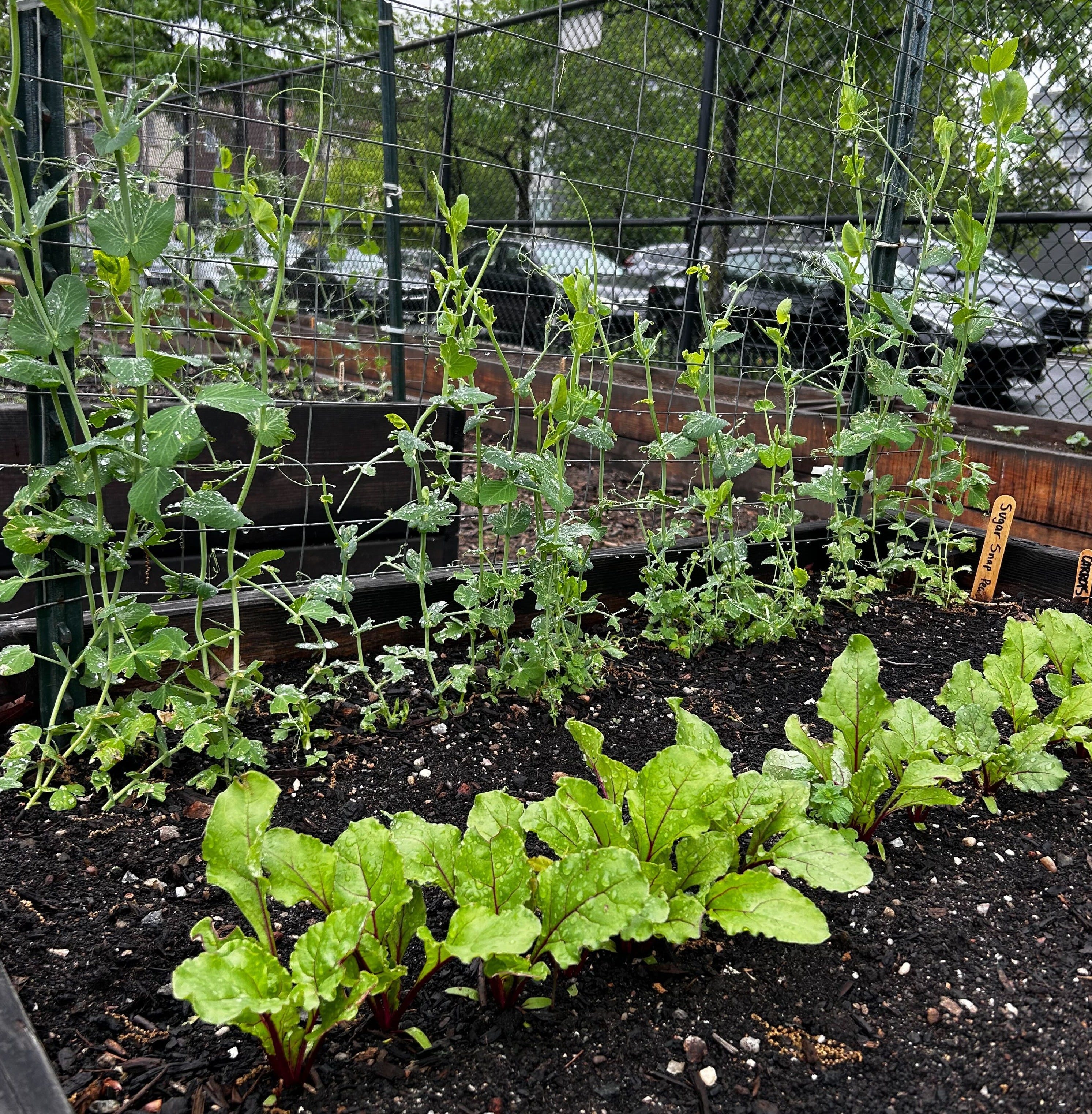
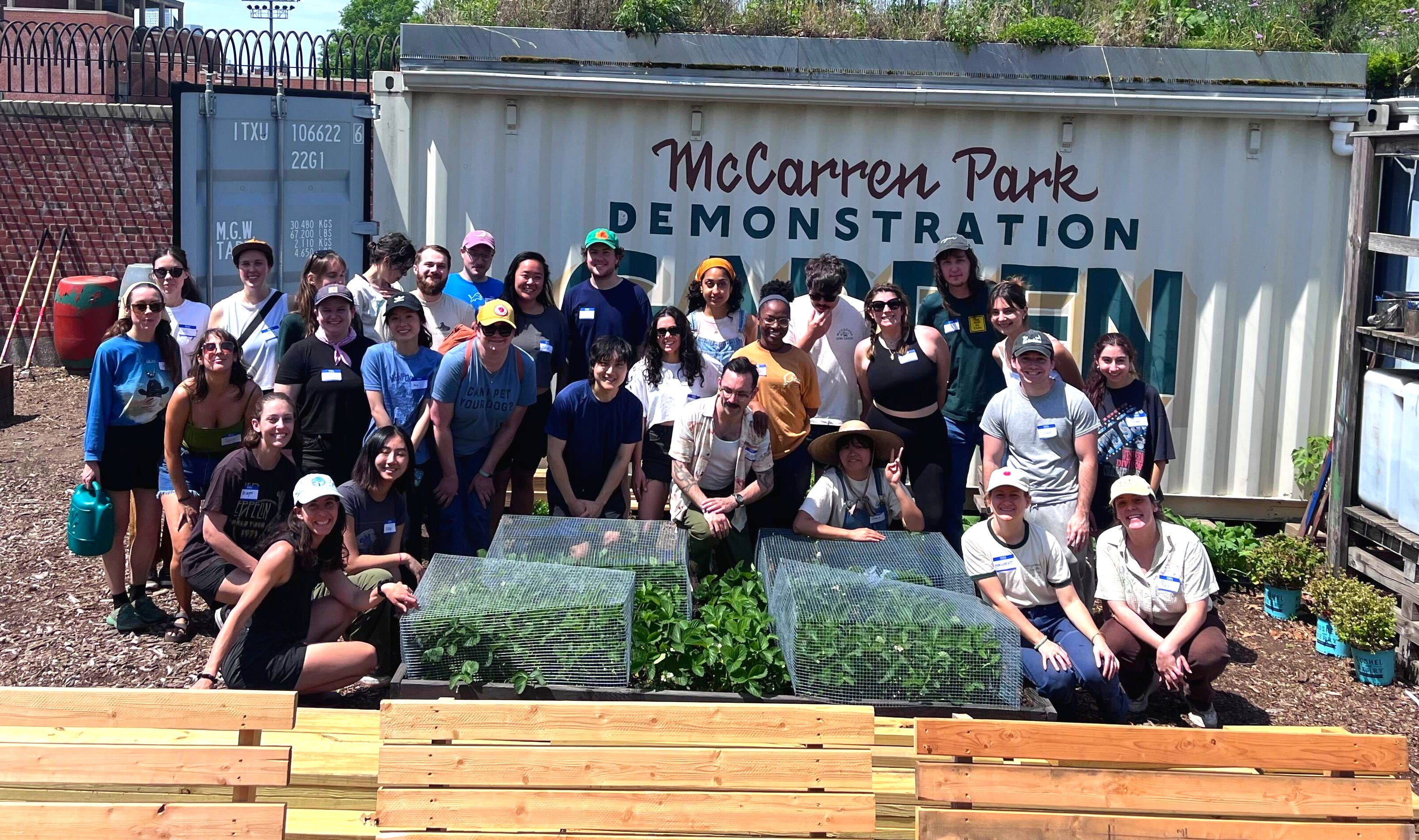
Gardening usually requires patience. We wait for seeds to grow into seedlings or for sugar snap peas to climb up a trellis. That’s why our annual planting day is so thrilling—it’s a fervor of activity where a lot happens all at once. Thanks to everyone who came out this year and helped. Volunteers planted dozens of plants and seeds into the dirt, tidied up the tree beds on Leonard street, and cleaned the Lot Radio free fridge to get it ready for harvesting.


Planting so many things at once can be overwhelming. Should we put the tomatoes along the fence, or is that a better spot for zinnias? Our horticulture working group has been deliberating such questions for weeks. How did they decide? I asked some of the garden planning team to give us the scoop.
Behind the scenes of planting day
At the start of the season, all the garden beds are like a blank slate. How do you begin to think about what goes where?
Before the layout starts, there’s a lot of planning ahead of time. Since our produce is going to be donated to the community fridges, we like to focus on produce that’s more expensive in the stores, like tomatoes and peppers, versus something like onions, that are relatively cheap. Plus we want to balance that out with flowers and produce for our educational events, like pickling cucumbers for the pickling workshop, and things that are fun or we haven’t tried before. We also want plants that are easy to grow, since we’re not expert gardeners by any means. -Jen
One of the first things we consider is how much sun certain beds get. Most of our plants need direct sun all day and there’s not too much we can plant in the partly sunny areas; mainly herbs. Then, we have to figure out what kind of structure the plant will need to grow. Tomatoes need trellising, so we use our border fence as a trellis. We also have an arch we built to support the butternut squash. Beans and cucumbers also grow upward—that makes room for plants that don’t need support like our greens, carrots, radishes, and zucchini. Flowers are planted throughout to encourage pollination and we keep perennials together. -Megh
We often put different plants together in the same bed—how do you know which vegetables, flowers, or herbs will be good roommates? Are they any plants that do not get along?
People and plant folk alike enjoy companionship! A classic example is the traditional Native American practice with "three sisters" (corn, squash, and beans) where corn provides a trellis structure, beans put nitrogen back in the soil, and squash blocks out weeds.
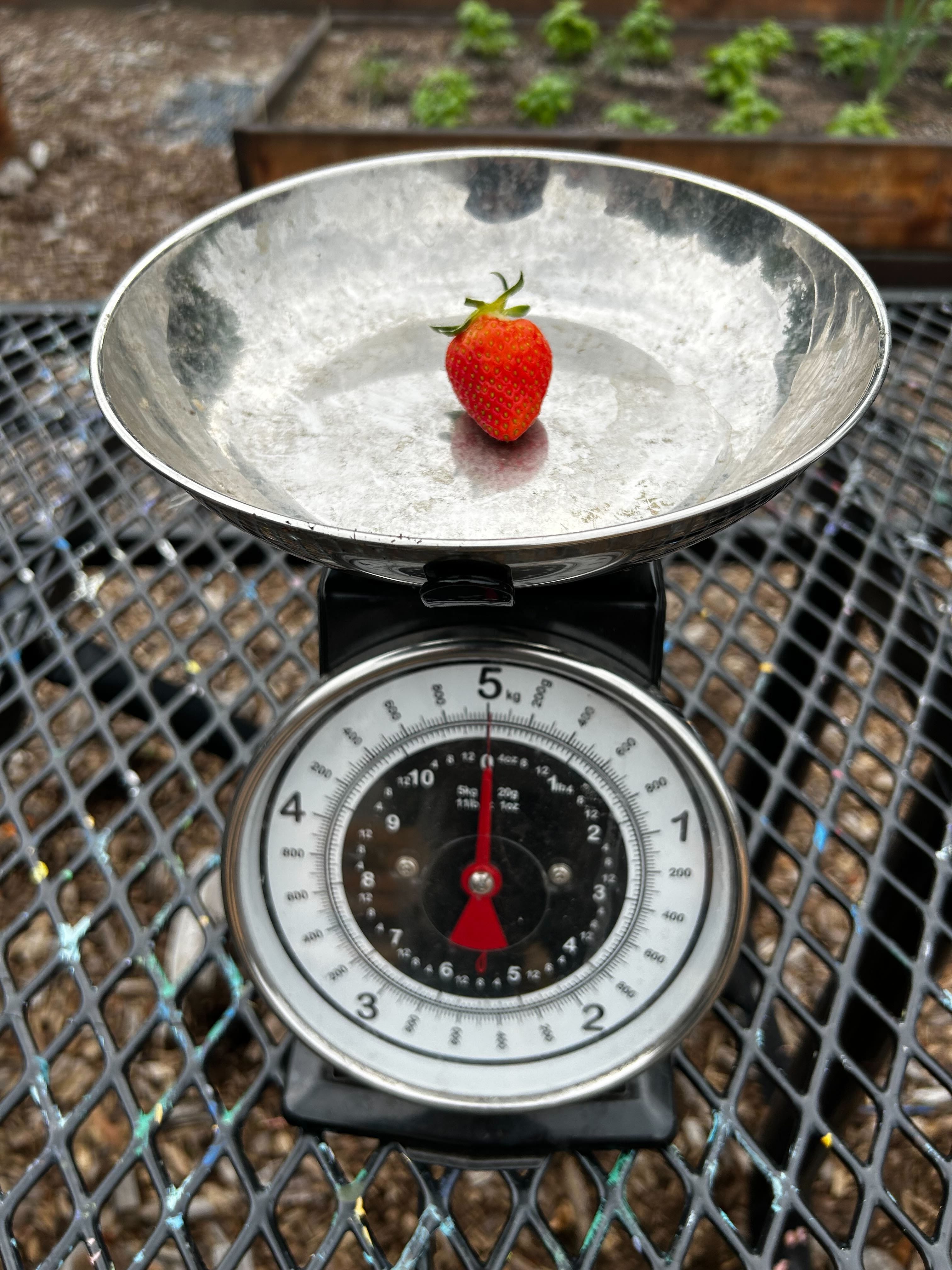
There’s simple ones we’ll do at the garden like using basil as a pest deterrent for tomatoes and it’s easy to remember because they go great together in a sauce. This year we planted borage, an edible blue flower, with our strawberries because the flowers are particularly attractive for pollinators that can make the strawberries produce more and taste better. We love nature-based mutual aid.
We watch out for plants that don’t get along too. Mint can take over so we will keep it separate or place it with other highly competitive plants. Pumpkins and potatoes compete for the same nutrients and are vulnerable to the same diseases. - Carla
What are we not growing this year that we have grown before—and why?
We decided not to plant okra for a few reasons, one being a space issue as they need a lot of space and that limits what other things we can grow. Another being okra needs to be harvested before they become too big which makes them woody and basically inedible. It was easy to miss the ripe okra! This did not negatively affect the plant, but lantern flies seem to love hiding under okra leaves, so it was more unpleasant for the harvester. -Margaret
We’re also not doing marigolds this year, since there’s new research out that they inhibit the growth of plants near them. Even though they are typically planted to keep pest insects away, it seems that the costs outweigh the benefits. -Jen
Are there any new plants we are growing this year you’re most excited about?
I am most excited for the pole beans. We grow it in-between the butternut squashes in the trellis beds and it’s always so fun harvesting them. It feels like like a bean hunt. -Margaret
Not a plant, but some bacteria? I’m excited to see if inoculating the legumes (beans, peas) with bacteria will make a difference in their growth. Legumes are symbiotic with nitrogen-fixing bacteria, meaning the bacteria has the ability to convert nitrogen from the air into a form usable by the plant. We bought a bag of inoculant that contains the bacteria mixed into some peat that we added to the seeds prior to planting. It should help the plants grow and add some nitrogen to the soil for future plantings. I think the peas that are already up might be looking healthier than last year. -Jen
Interesting varietals of some plants that we’re growing from seed, including heirloom tomatoes, funky carrots and jewel toned radishes. We’re also attempting to grow bigger pumpkins this year, which is exciting! Growing a jack-o-lantern from seed to harvest would be really rewarding and fun. -Mara
What else we’ve been up to:
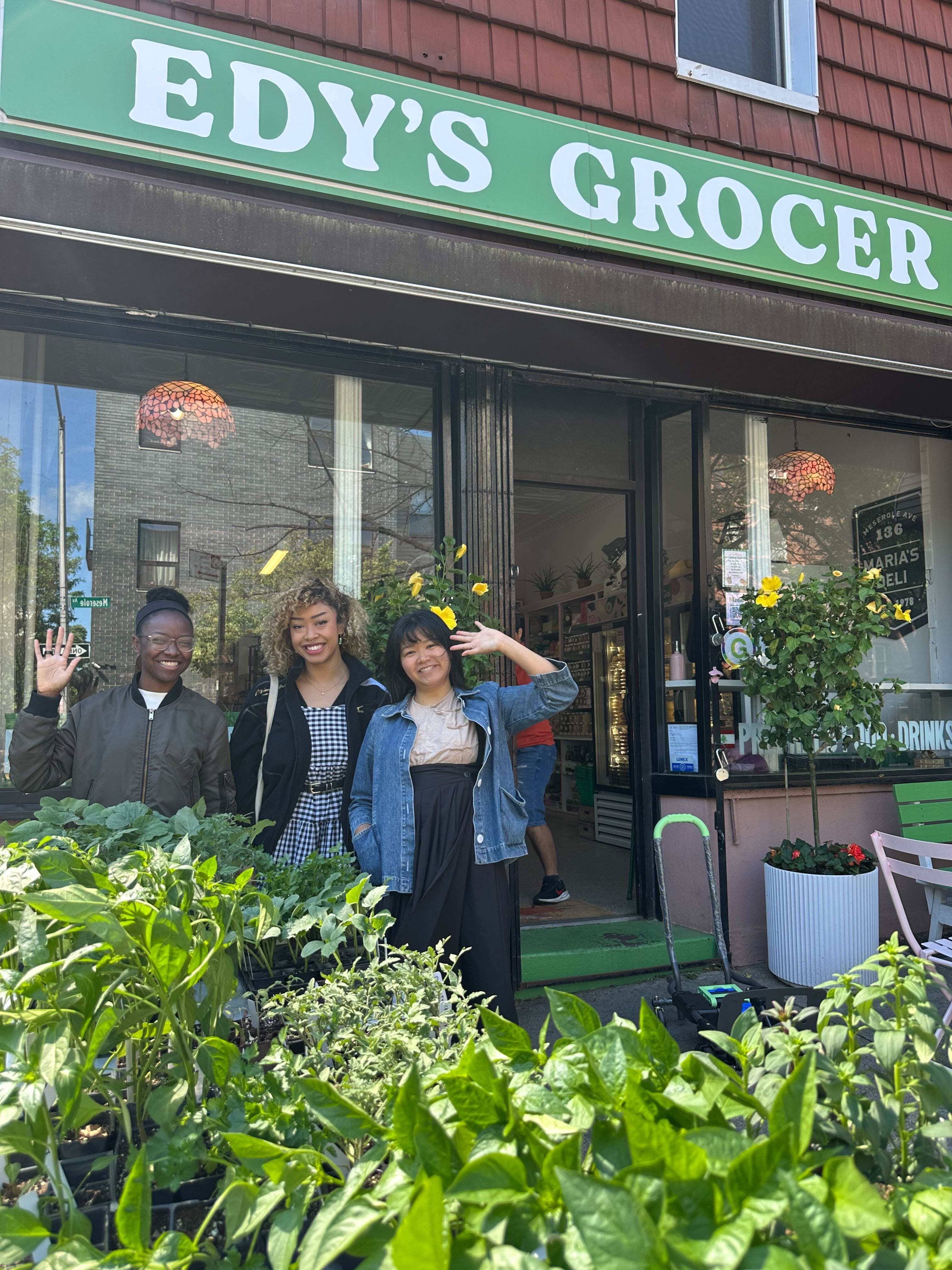
We had a plant sale at Edy’s Grocer to sell leftover seedlings and raise money for the garden and North Brooklyn Mutual Aid. We still have some plants! Feel free to stop by the garden during a regular volunteer shift to trade a donation of your choosing for a baby plant.
What’s happening next:
Our volunteer shift calendar is up and running! Join us every Tuesday 8-9:30am, Thursday 6-7:30pm, and Sunday 10am-12pm. Sign up here.
Sunday May 18: Grow your own oyster mushrooms event. Waitlist only (Sorry if you weren’t able to get on the list this time. If there is a lot of interest, we can do another mushroom event soon, or find a similar event with our friends at Biotech without Borders.)
June 5: Our first potluck of the season! Break bread with your fellow gardeners at the end of the first Thursday shift of the month.
Reminder to join our Slack and the #mccarrendemogarden channel to get involved in garden planning, and follow us on Instagram for the most up-to-date garden info. See you in the garden!
I am not a greedy person except about flowers and plants, and then I become fanatically greedy. - May Sarton